
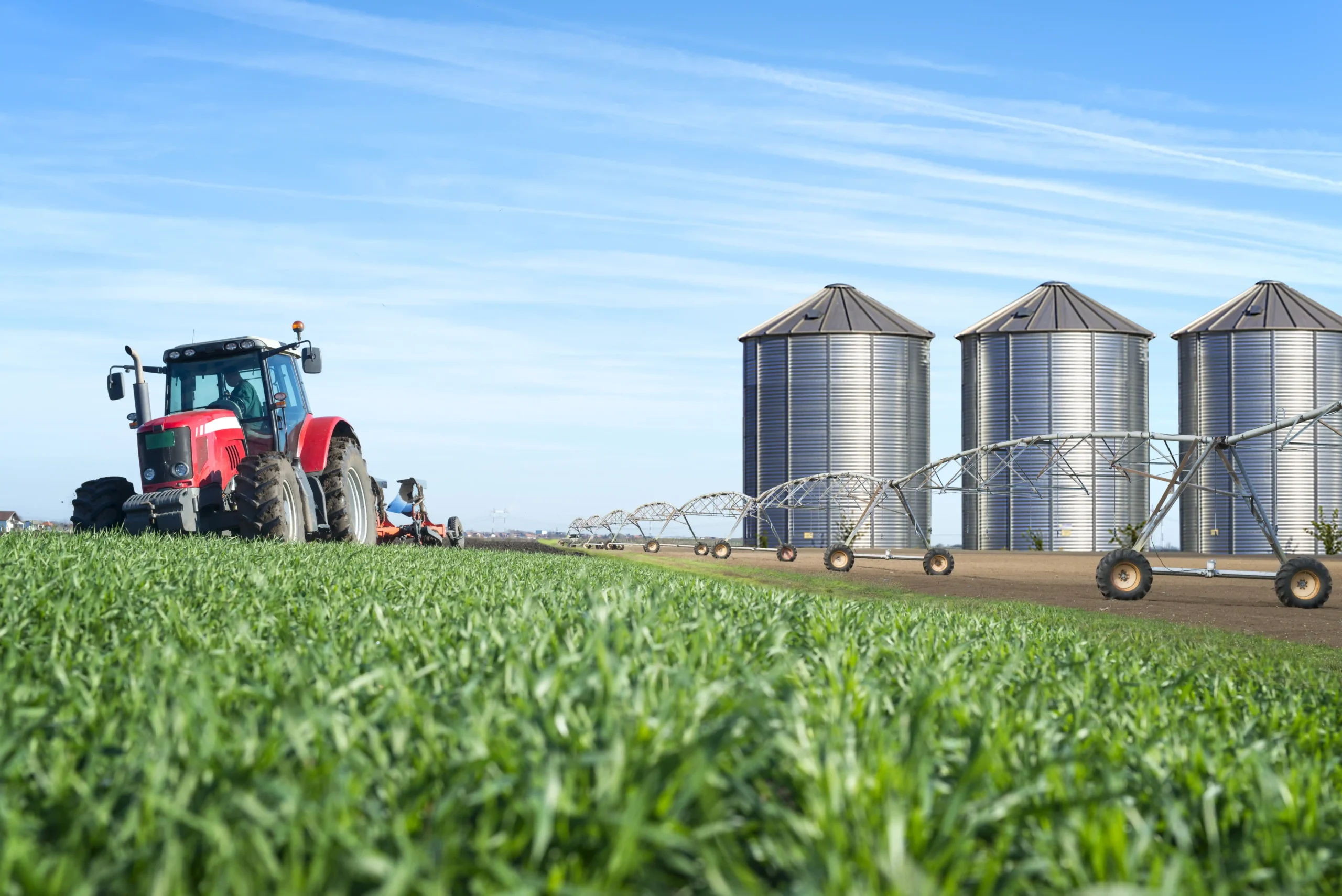
Biofuels are rapidly gaining global attention as a sustainable and cleaner alternative to conventional fossil fuels. Derived from organic sources such as sugarcane, corn, algae, and agricultural waste, biofuels like ethanol and biodiesel can help reduce greenhouse gas emissions, improve energy security, and support rural economies. With technological advancements and supportive government policies, the future of biofuels looks promising—especially in the transport and industrial sectors. However, careful planning is needed to balance land use, food production, and environmental sustainability.
Biofuels represent a crucial step toward a cleaner, more sustainable energy future. With innovations in feedstock and processing technologies, biofuels can meet rising energy demands while minimizing environmental impact. As countries strive to achieve net-zero emissions, biofuels will play a key role in transforming transportation, industry, and agriculture.

